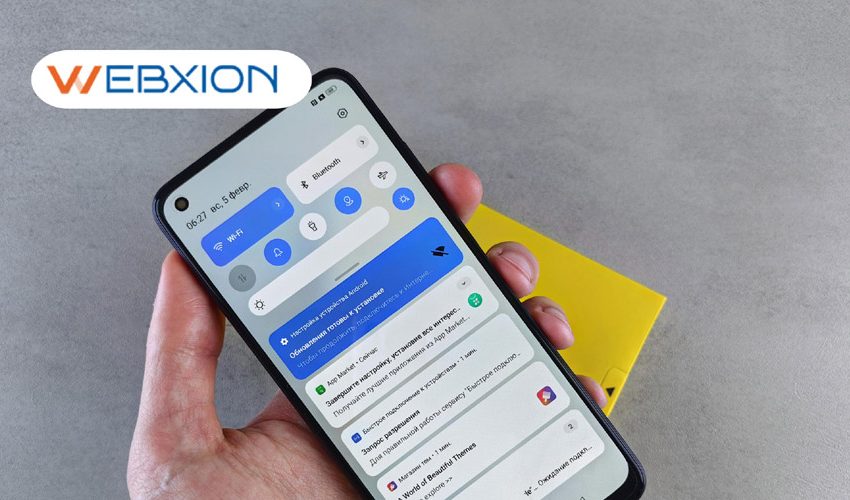
Summary – SMS notifications are essential for high-intent customer actions because they deliver instant visibility, near-universal reach, and fast response exactly when a customer is ready to act. Whether it’s OTP verification, payment confirmation, appointment reminders, or delivery updates, SMS minimizes delays, reduces drop-offs, and protects revenue. In mobile-first markets like India—where app usage, connectivity, and user behavior vary widely—SMS remains the most reliable channel for time-sensitive, decision-critical communication.
Every business has moments where customer intent peaks—and tolerance for friction drops to zero.
A user entering an OTP, confirming a payment, tracking a delivery, or finalizing a booking is not browsing. They are acting. If communication fails in that narrow window—because an email is missed, a push notification is disabled, or a message arrives late—the customer doesn’t pause. They abandon.
This is where SMS notifications prove their value.
Despite the rise of apps, chat platforms, and AI-driven engagement, SMS continues to power the most critical customer actions across banking, e-commerce, healthcare, logistics, and education. Not because it is trendy—but because it is reliable, immediate, and trusted.
This article explains:
- What makes an action “high intent”
- Why SMS consistently outperforms other channels at these moments
- How Indian businesses use SMS to prevent revenue loss
- Practical, compliant strategies to deploy SMS effectively—without overuse
What Are High-Intent Customer Actions?
High-intent customer actions are behaviors that signal immediate readiness to complete a task. These are not awareness-stage interactions. They are moments where speed, clarity, and trust directly influence outcomes.
Common High-Intent Actions Include:
- OTP verification during login or signup
- Payment confirmation or failure alerts
- Cart abandonment at checkout
- Appointment confirmations and reminders
- Order, delivery, or service status updates
- Account security and fraud alerts
When messaging fails at these stages, customers don’t retry endlessly. They switch brands.
Why SMS Works When Intent Is Highest
Why do businesses rely on SMS for critical actions?
Because SMS has built-in advantages that other channels cannot guarantee consistently.
1. SMS Is Seen—Almost Immediately
SMS open rates regularly exceed 95%, with most messages read within minutes. Compare that to:
- Emails lost in promotions or spam folders
- Push notifications turned off or ignored
- App messages unseen due to login friction
For high-intent actions, delayed visibility equals lost conversions.
2. SMS Does Not Depend on Apps or Stable Internet
In India, customers:
- Change phones frequently
- Use budget devices
- Experience inconsistent data connectivity
- Avoid installing multiple brand apps
SMS reaches every mobile phone, regardless of OS, app installs, or bandwidth. This makes it especially effective in Tier 2 and Tier 3 cities where intent is strong but infrastructure varies.
3. SMS Feels Transactional, Not Promotional
Users instinctively trust SMS for:
- Banking alerts
- OTPs
- Delivery updates
That perception matters. SMS is associated with important actions, not marketing noise—making users act faster and with more confidence.
Real-World Example: How SMS Prevents Revenue Loss
E-commerce Checkout Drop-Off in India
An Indian D2C brand faced high checkout abandonment. Pricing wasn’t the issue. The problem was delayed OTPs and missed email confirmations during payment.
What changed:
- Instant transactional SMS for OTP delivery
- Real-time payment success/failure alerts
- Automated SMS reminders within 10 minutes of checkout abandonment
Results:
- 22% reduction in failed transactions
- Faster checkout completion
- Fewer payment-related support tickets
SMS didn’t “market.” It protected intent.
SMS vs Other Channels for High-Intent Actions
Is SMS better than email or push notifications for urgent actions?
Yes—when speed and certainty matter.
Channel | Strength | Limitation at High Intent |
Detailed information | Low immediacy | |
Push Notifications | Rich experience | App dependency |
Conversational | Delivery and policy constraints | |
SMS | Instant, universal | Short by design (which improves clarity) |
For moments that cannot fail, SMS is the fallback that rarely fails.
Industry-Specific Use Cases Where SMS Is Non-Negotiable
BFSI (Banking, Finance, Insurance)
- OTPs and transaction alerts
- Fraud detection notifications
- EMI and policy reminders
SMS is often regulator-recommended because reliability is critical.
Healthcare & Diagnostics
- Appointment confirmations
- Test report availability
- Medication reminders
Missed messages can mean missed care—and lost trust.
Logistics & On-Demand Services
- Pickup and delivery confirmations
- Delay notifications
- Service completion updates
SMS significantly reduces “Where is my order?” support queries.
Education & EdTech
- Exam schedules
- Admission confirmations
- Fee reminders
Parents and students consistently trust SMS over app alerts.
SMS Notifications and Compliance in India
Why compliance increases deliverability and trust
Transactional SMS in India operates under strict frameworks:
- DLT registration
- Approved sender IDs
- Pre-approved templates
When implemented correctly, compliance:
- Improves delivery rates
- Prevents message blocking
- Signals brand credibility
High-intent communication must be fast and compliant—never one without the other.
Best Practices for High-Intent SMS Notifications
How do you design SMS that converts intent into action?
1. One message, one purpose – Avoid clutter. Focus on the immediate action.
2. Use recognizable sender IDs – Familiar brands reduce hesitation.
3. Trigger messages instantly- High intent fades quickly—timing matters more than copy length.
4. Avoid promotional language – Transactional tone builds trust and compliance.
5. Track outcomes, not just delivery – Measure completion rates, not message volume.
Common SMS Mistakes That Kill Conversions
- Using SMS for low-intent broadcasts
- Delayed OTP or transaction alerts
- Overloading messages with links
- Ignoring regional language preferences
- Treating SMS as optional instead of essential
SMS fails only when it’s misused.
How SMS Fits Into a Smart Omnichannel Strategy?
SMS should anchor your communication—not replace everything else.
A proven approach:
- SMS for verification, alerts, and confirmations
- WhatsApp for conversations and support
- Email for receipts, records, and long-form updates
Use SMS at the moment of decision, not discovery.
Convert High-Intent Customers Without Communication Failures
When customers are ready to act but drop off because confirmations, OTPs, or alerts arrive late, the issue isn’t demand—it’s communication reliability. High-intent moments leave no room for failure.
With WebXion’s WhatsApp Business Platform services, RCS Business Messaging services, SMS Notification Service services, Outbound Voice Calls services, Missed Call Services services, and AI ChatBots services businesses can deliver time-critical messages that reach users instantly and drive completion across India’s diverse networks and devices.
If you want SMS notification workflows that reduce abandonment, protect revenue, and perform consistently at scale, contact WebXion today for a consultation and turn high intent into completed actions—every time.
Frequently Asked Questions
-
Are SMS notifications still relevant in 2026?
Yes. SMS remains the most reliable channel for time-sensitive actions because it does not depend on apps, algorithms, or data connectivity.
-
Is SMS better than WhatsApp for OTPs?
For guaranteed delivery and compliance, yes. SMS is universally supported and regulator-approved for authentication use cases.
-
How fast should transactional SMS be delivered?
Ideally within seconds. Delays beyond 30–60 seconds significantly increase drop-offs.
-
Can SMS be personalized without affecting deliverability?
Yes. Approved templates with dynamic variables allow safe personalization while maintaining speed and compliance.