Summary – Bulk SMS Services in India help businesses send large volumes of SMS messages instantly to customers using a secure SMS gateway platform connected to telecom networks. Companies use bulk SMS for SMS marketing campaigns, OTP verification, transactional alerts, promotional messages, appointment reminders, and customer engagement notifications.
With features like SMS API integration, automated messaging, contact list management, and real-time delivery reports, businesses can communicate quickly and efficiently. Because SMS works on all mobile phones and has very high open rates, it remains one of the most effective tools for business communication, customer notifications, lead generation, and marketing automation across India.
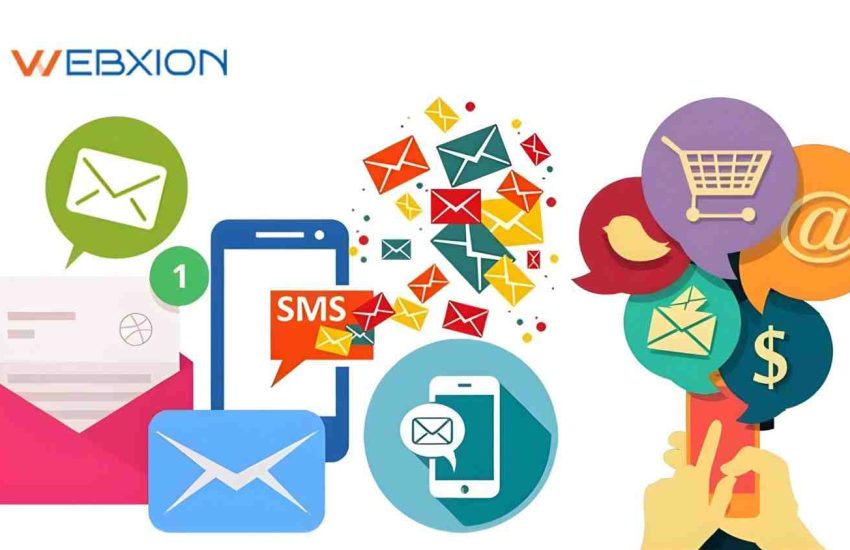
Businesses today need communication tools that are fast, reliable, and scalable, especially when connecting with thousands of customers. This is why many organizations rely on Bulk SMS Services in India for marketing and customer communication. Using SMS marketing platforms and SMS gateway services, businesses can send promotional SMS campaigns, transactional alerts, OTP verification messages, and automated customer notifications within seconds.
From e-commerce stores and banks to healthcare providers and educational institutions, companies use SMS messaging to deliver order updates, appointment reminders, payment confirmations, and promotional offers directly to customers’ phones. With tools like SMS API integration, campaign scheduling, and contact list management, businesses can run targeted SMS campaigns that boost customer engagement, lead generation, and marketing performance.
What Are Bulk SMS Services?
Bulk SMS services are designed to help businesses send large volumes of text messages to many customers at the same time. Instead of sending messages manually from a mobile phone, companies use a web-based messaging dashboard or SMS API to automate the process.
For businesses, this means they can reach hundreds or even thousands of customers in just a few seconds.
Companies across India use SMS messaging for many everyday business activities, including:
- Marketing promotions and discount campaigns
- OTP verification for login and payments
- Delivery notifications and order updates
- Appointment reminders
- Customer feedback messages
- Service alerts and important announcements
For example, a retail shop in Pune may send festival discount alerts to its customers, while an online store may automatically send SMS updates when an order is shipped.
One reason SMS remains so effective is that it works on every mobile phone, whether it’s a smartphone or a basic feature phone. Customers don’t even need internet access to receive these messages.
How Do Bulk SMS Services in India Work?
Many people assume sending thousands of messages at once must be complicated. In reality, the process is quite simple because modern SMS marketing platforms and messaging gateways automate most of the work.
Here’s how a typical bulk SMS campaign works.
Step 1: Upload Your Customer Contact List
The first step is adding customer mobile numbers to the SMS platform. Businesses can upload contacts in several ways, such as:
- Importing Excel or CSV files
- Connecting the platform to a CRM system
- Automatically syncing contacts using API integration
Most businesses also organize contacts into groups such as:
- Existing customers
- New leads
- Loyal customers
- Event subscribers
This segmentation helps businesses send targeted SMS marketing campaigns instead of generic messages.
For example, a clothing brand might send exclusive discount offers to returning customers, while sending welcome messages to new subscribers.
Step 2: Create the SMS Message or Campaign
After uploading contacts, businesses create the SMS message they want to send. The message could be for marketing, notifications, or authentication.
Typical SMS campaigns include:
- Promotional messages announcing discounts
- Transactional alerts confirming payments
- OTP verification messages for login security
- Event reminders or appointment alerts
Example promotional SMS:
“Festive Sale is Live! Enjoy 30% off on electronics today. Shop now before the offer ends.”
SMS marketing platforms also allow businesses to personalize messages using customer names or purchase history, which improves engagement.
Step 3: Choose the Type of SMS
In India, SMS campaigns are categorized based on their purpose. Choosing the correct type is important for compliance and message delivery.
Promotional SMS
Promotional SMS messages are used for marketing campaigns. These messages usually include:
- Discount offers
- Product promotions
- Sales announcements
- Event invitations
These messages are typically delivered during approved marketing hours.
Transactional SMS
Transactional SMS messages are used for important service updates. These messages include:
- Order confirmations
- Payment alerts
- Account notifications
- Delivery status updates
Unlike promotional messages, transactional SMS can be delivered 24/7 because they provide essential information.
OTP SMS
OTP (One-Time Password) messages are used for secure authentication and verification.
Businesses commonly use OTP SMS for:
- Login verification
- Payment confirmation
- Password reset authentication
Banks, fintech companies, and e-commerce platforms rely heavily on OTP SMS to protect customer accounts.
Step 4: DLT Registration and Sender ID Approval
Before businesses can send bulk SMS campaigns in India, they must follow regulatory guidelines established by the Telecom Regulatory Authority of India.
This system is called DLT (Distributed Ledger Technology) registration.
DLT registration helps prevent spam messages and ensures that customers only receive verified communications.
Businesses typically need to register:
- Their company details
- Approved sender IDs for SMS communication
- SMS message templates
- Customer consent records for promotional messaging
Once these details are approved, businesses can send legal and compliant SMS campaigns across telecom networks.
Step 5: SMS Gateway Sends the Message
Once the campaign is launched, the message is processed through an SMS gateway.
An SMS gateway is the technology that connects a messaging platform with telecom networks.
The gateway performs several important tasks:
- Verifying sender ID and message templates
- Routing messages to telecom operators
- Processing large message volumes quickly
- Ensuring reliable delivery
Modern SMS gateways operate on cloud infrastructure, allowing businesses to send millions of messages efficiently.
Step 6: Messages Are Delivered Through Telecom Networks
After processing, messages are delivered through telecom operators such as:
- Reliance Jio
- Bharti Airtel
- Vodafone Idea
These telecom networks deliver the SMS messages directly to the recipient’s mobile phone.
In most cases, customers receive SMS notifications within a few seconds.
Step 7: Delivery Reports and Campaign Insights
Once the campaign is sent, businesses can monitor results using SMS campaign analytics and delivery reports.
These reports provide insights such as:
- Number of messages delivered
- Failed numbers or invalid contacts
- Link clicks and engagement data
For example, if a business sends a campaign to 20,000 customers, the analytics dashboard might show:
- 19,200 successful deliveries
- 800 invalid numbers
- 1,500 link clicks
These insights help businesses optimize future SMS marketing campaigns and improve customer engagement.
Key Features of Modern Bulk SMS Platforms
Modern messaging platforms offer powerful tools that help businesses manage SMS communication efficiently.
Common features include:
- SMS API integration for automation
- Contact list management and segmentation
- Personalized SMS campaigns
- Real-time delivery reports
- Campaign scheduling
- CRM integration
These tools allow businesses to run targeted SMS marketing campaigns that feel more personal and relevant to customers.
Benefits of Bulk SMS Services for Businesses
Bulk SMS continues to be one of the most effective digital marketing channels available to businesses today.
Here are some of the biggest advantages.
Extremely High Open Rates
SMS messages typically have open rates above 90%, which is significantly higher than email marketing.
Most messages are read within a few minutes of delivery.
Instant Communication
SMS campaigns are delivered instantly, making them perfect for:
- OTP authentication
- Urgent alerts
- Appointment reminders
Businesses can reach customers quickly when timing matters.
Affordable Marketing Channel
Compared to traditional advertising methods like television or print media, SMS campaigns are very cost-effective.
Even small businesses can reach thousands of customers with minimal marketing budget.
Works Without Internet Access
SMS messaging works on any mobile phone, even without internet access.
This makes it especially useful in rural and semi-urban regions across India.
Higher Customer Engagement
SMS messages often generate strong engagement because they appear directly in a customer’s inbox.
Businesses use SMS for:
- Customer surveys
- Feedback requests
- Flash sale alerts
Industries That Use Bulk SMS Services in India
Bulk SMS communication is widely used across many industries.
Banking and financial services
Banks send SMS alerts for:
- Transaction notifications
- OTP authentication
- Fraud detection alerts
E-commerce businesses
Online stores use SMS for:
- Order confirmations
- Delivery tracking updates
- Promotional campaigns
Healthcare providers
Hospitals and clinics use SMS messaging for:
- Appointment reminders
- Health check notifications
- Vaccination alerts
Education institutions
Schools and universities use SMS to communicate:
- Admission updates
- Exam schedules
- Fee payment reminders
Travel and hospitality
Travel companies send SMS notifications for:
- Ticket confirmations
- Flight updates
- Hotel booking alerts
Future of Bulk SMS Services in 2026
Bulk SMS technology continues to evolve with modern digital communication trends.
Some emerging trends include:
- AI-powered SMS marketing automation
- Personalized customer messaging
- Integration with messaging apps like WhatsApp
- Smart campaign analytics and behavior-based messaging
These innovations are helping businesses create more personalized and engaging communication strategies.
Why Businesses Are Adopting Multi-Channel Messaging Solutions in India?
As businesses continue to adopt digital communication tools, services like Bulk SMS Services in India remain a powerful way to connect with customers quickly and reliably. Whether it’s sending SMS Notification services in India for order updates, OTP verification, appointment reminders, or promotional campaigns, SMS continues to deliver high engagement and instant reach.
Today, many businesses are also combining SMS with modern communication channels such as WhatsApp Business Platform services in India, RCS Business Messaging services in India, Outbound Voice Calls services in India, Missed Call Services in India, and AI ChatBots services in India. This multi-channel communication strategy helps companies provide better customer support, automate responses, and create more personalized customer experiences.
If your business wants to improve customer engagement, automate communication, and run high-performance messaging campaigns, partnering with the right technology provider makes all the difference. Connect with Webxion to explore scalable solutions for SMS notifications, WhatsApp messaging, RCS business messaging, outbound voice calls, missed call services, and AI chatbot automation—all designed to help businesses across India communicate smarter and grow faster.
Frequently Asked Questions About Bulk SMS Services in India
1. What are Bulk SMS services in India and how do they work?
Bulk SMS services allow businesses to send thousands of messages instantly through an SMS gateway platform instead of sending texts manually. Companies upload customer numbers, create a message template, and send campaigns through a messaging dashboard or API integration. The platform routes the messages through telecom networks like Reliance Jio, Bharti Airtel, and Vodafone Idea.
Key points:
- Upload customer contacts or CRM database
- Create SMS for marketing, alerts, or OTP verification
- Send messages through an SMS gateway platform
- Customers receive messages instantly on their phones
2. Why do businesses use Bulk SMS for marketing and communication?
Businesses prefer SMS because it provides fast, direct, and highly reliable customer communication. SMS messages are usually read within minutes, making them effective for promotions and notifications.
Main benefits:
- Very high open rates (90%+)
- Instant message delivery
- Affordable marketing channel
- Works without internet access
- Improves customer engagement and lead generation
3. What is the difference between promotional SMS, transactional SMS, and OTP SMS?
Businesses use different SMS types depending on the purpose of communication.
Promotional SMS
- Used for marketing campaigns and discounts
- Sent during approved marketing hours
Transactional SMS
- Used for order updates, payment alerts, and service notifications
- Delivered anytime because they contain important information
OTP SMS
- Used for secure login verification and authentication
- Common in banking, fintech, and e-commerce platforms
4. Is DLT registration required for Bulk SMS in India?
Yes. Businesses must complete DLT registration regulated by the Telecom Regulatory Authority of India before sending bulk SMS campaigns.
DLT compliance includes:
- Registering the business on a DLT platform
- Approving Sender IDs for brand messaging
- Registering SMS templates
- Maintaining customer consent records
This process helps prevent spam and ensures secure and verified SMS communication.
5. How can businesses choose the best Bulk SMS service provider in India?
Choosing a reliable provider ensures better delivery rates, campaign performance, and SMS automation.
Important factors to check:
- High SMS delivery success rate
- Reliable SMS gateway infrastructure
- Easy API integration with CRM or websites
- Support for OTP, transactional, and promotional SMS
- Access to delivery reports and campaign analytics
A strong SMS platform helps businesses run automated SMS marketing campaigns and real-time customer notifications efficiently.