Summary – When businesses in India plan mobile marketing campaigns, two messaging channels are commonly used: SMS marketing and RCS Business Messaging. Both help brands communicate directly with customers on their mobile phones, but they serve different purposes.
SMS (Short Message Service) is the traditional messaging channel widely used for bulk SMS campaigns, OTP verification, transactional alerts, and promotional messages. It works on almost every mobile device and does not require internet connectivity, making it highly reliable for time-sensitive notifications and large-scale communication.
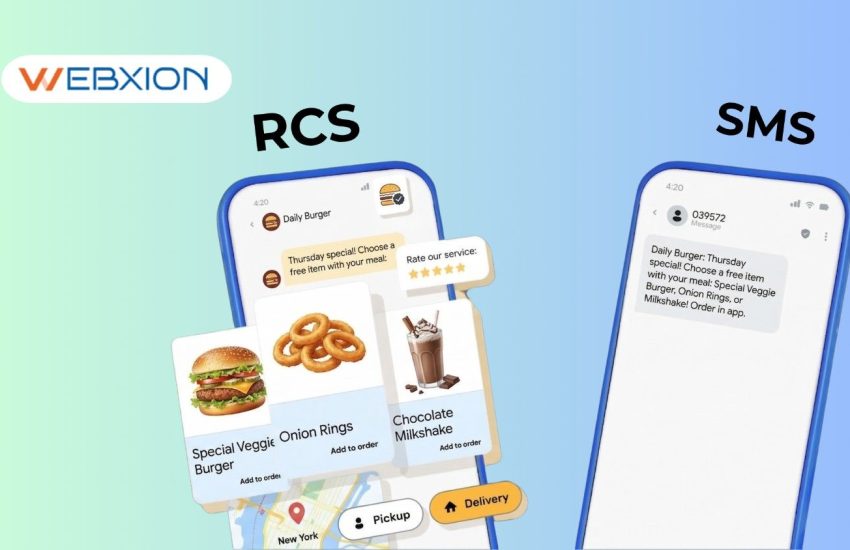
RCS (Rich Communication Services) is the next evolution of business messaging. It enables companies to send rich media messages, branded notifications, interactive buttons, product carousels, and conversational campaigns directly through the mobile messaging app. This creates a more engaging and app-like customer experience.
In simple terms, SMS offers maximum reach and reliability, while RCS focuses on interactive engagement and rich marketing experiences. Many businesses now combine both channels—using RCS for interactive marketing campaigns and SMS as a fallback channel to ensure message delivery.
Mobile messaging has become one of the most effective communication tools for businesses across India. Companies use messaging platforms to send promotional offers, order updates, service alerts, appointment reminders, and customer notifications quickly and efficiently.
For years, bulk SMS services have been the backbone of business communication because they provide instant delivery and universal reach across all mobile phones. However, as smartphone adoption grows and customer expectations change, brands are exploring more engaging communication channels.
This is where RCS Business Messaging comes in. It allows businesses to send rich media content, interactive messages, and personalized marketing campaigns, creating a more engaging customer experience compared to simple text messages.
Understanding the difference between RCS messaging and SMS marketing helps businesses choose the right communication strategy, improve customer engagement, and run more effective mobile marketing campaigns in India.
What is SMS Messaging for Marketing?
SMS, also known as Short Message Service, is one of the most widely used mobile communication technologies in the world. For marketing campaigns, businesses use bulk SMS gateways and messaging platforms to send text messages to thousands or even millions of customers at once.
A standard SMS message usually contains up to 160 characters of text, making it perfect for short and direct communication. Even though the format is simple, SMS remains extremely effective because it delivers messages quickly through telecom networks without needing mobile data or internet access.
In India, SMS marketing is used by a wide range of industries including banking, e-commerce, healthcare, education, logistics, and travel services. Businesses depend on SMS to send important information such as order confirmations, OTP authentication codes, payment alerts, service notifications, and promotional offers.
The reason SMS marketing continues to perform well is because of its simplicity and universal compatibility. Every mobile phone—whether it is a basic feature phone or a high-end smartphone—can receive SMS messages.
Some important characteristics of SMS marketing include:
- Messages are delivered instantly through telecom networks
- No internet connection is required
- Works on all mobile devices across India
- Extremely high open rates compared to email campaigns
- Cost-effective for large-scale messaging campaigns
Businesses typically run different types of SMS campaigns, such as:
- Promotional SMS campaigns for discounts and offers
- Transactional SMS notifications for order updates
- OTP verification messages for secure logins
- Customer service alerts and reminders
Because of its reliability, SMS remains one of the most trusted communication channels for urgent business messaging.
What is RCS Messaging?
RCS, or Rich Communication Services, is the modern upgrade to traditional SMS messaging. It brings advanced messaging features that allow businesses to create interactive, visually rich conversations with customers directly inside their mobile messaging apps.
Unlike SMS, RCS messages are delivered through mobile data or Wi-Fi connections. Many Android smartphones support RCS through messaging applications powered by Google, allowing businesses to send highly engaging messages that look and feel similar to chat apps.
RCS Business Messaging transforms ordinary text messages into interactive marketing experiences. Instead of sending plain text, companies can include images, videos, product catalogs, quick-reply buttons, and branded messaging templates.
Some of the most important features of RCS messaging include:
- Rich media content such as images, GIFs, and videos
- Interactive buttons that allow customers to respond instantly
- Verified business profiles with company logos and brand information
- Read receipts and typing indicators
- Advanced campaign analytics and engagement tracking
For marketing teams, RCS messaging opens new possibilities for creating interactive campaigns where customers can browse products, explore offers, and complete actions directly within the message conversation.
For example, an online retailer launching a festive sale could send an RCS message that includes:
- A carousel of featured products
- Product images and descriptions
- “Buy Now” or “Shop Now” buttons
- Customer support chat options
This kind of interactive messaging experience makes RCS far more engaging than traditional text messaging.
RCS Messaging vs SMS: Key Differences
Although both RCS and SMS are mobile messaging technologies, they offer very different capabilities for businesses running marketing campaigns.
SMS is designed for simple, reliable communication, while RCS focuses on interactive customer engagement and rich media experiences. Understanding these differences helps marketers decide which messaging channel is best suited for their campaign goals.
One of the biggest differences between these technologies is the type of messaging experience they provide to customers.
Here are some key differences between RCS messaging and SMS marketing:
Message Format
- SMS supports only basic text messages
- RCS supports multimedia content including images, videos, and product cards
Customer Interaction
- SMS allows very limited interaction
- RCS allows customers to interact through quick-reply buttons and menus
Brand Identity
- SMS messages show only a sender ID
- RCS messages display a verified business profile with brand logo
Campaign Analytics
- SMS typically provides delivery confirmation
- RCS provides insights such as message opens, clicks, and engagement metrics
Customer Experience
- SMS is ideal for quick alerts and notifications
- RCS creates a rich, app-like messaging experience
Because of these differences, RCS messaging is becoming increasingly popular for customer engagement campaigns and interactive mobile marketing strategies.
Benefits of SMS Marketing for Businesses in India
Even with the rise of modern messaging technologies, SMS marketing remains an essential tool for businesses across India. Its biggest advantage is reach. SMS can reach customers regardless of their smartphone type, operating system, or internet availability.
This makes SMS particularly valuable in a diverse market like India, where mobile users range from high-end smartphone users in metro cities to feature phone users in smaller towns and rural regions.
Some of the major advantages of SMS marketing include:
- Massive reach across millions of mobile users
- Works without internet connectivity
- Instant message delivery
- Extremely high message open rates
- Affordable bulk messaging campaigns
Many industries rely heavily on SMS for critical communications, including:
- Banking and financial institutions
- E-commerce platforms
- Logistics and delivery services
- Healthcare providers
- Educational organizations
For example, banks often send transaction alerts and OTP authentication messages through SMS because it ensures customers receive important information instantly, even if they are offline.
Benefits of RCS Messaging for Marketing Campaigns
RCS messaging gives businesses the ability to create highly engaging and interactive marketing campaigns. Instead of sending short text messages, brands can design rich conversations that guide customers through a complete customer journey.
This type of messaging improves customer engagement, click-through rates, and overall campaign performance.
Some key benefits of RCS marketing include:
- Rich media messaging with images and videos
- Interactive buttons that encourage customer responses
- Product catalogs and carousel displays
- Personalized customer conversations
- Detailed engagement analytics
For example, a travel agency promoting holiday packages could send an RCS message featuring:
- Beautiful destination images
- A carousel of travel packages
- “View Details” or “Book Now” buttons
- Quick customer support options
This level of interaction helps brands create more memorable marketing experiences compared to simple text-based campaigns.
When Should Businesses Use SMS vs RCS?
Both SMS and RCS have their own strengths, which means businesses often use them together rather than choosing one over the other.
SMS is the best option when companies need guaranteed message delivery and maximum reach. It is especially useful for messages that are time-sensitive or require immediate attention.
Common SMS use cases include:
- OTP verification codes
- Payment confirmations
- Appointment reminders
- Delivery updates
- Security alerts
RCS, on the other hand, is better suited for engagement-focused marketing campaigns where businesses want customers to interact with the message.
Common RCS use cases include:
- Promotional product campaigns
- Interactive marketing messages
- Customer support conversations
- Event invitations
- Product launches and brand announcements
Many businesses use a multi-channel messaging strategy where RCS is used for interactive campaigns and SMS serves as a fallback channel when RCS is not supported.
RCS and SMS Regulations in India
Businesses sending marketing messages in India must follow strict telecom regulations designed to protect customers from spam communication.
These rules are managed by the Telecom Regulatory Authority of India, which introduced the DLT (Distributed Ledger Technology) system to regulate commercial messaging.
DLT compliance requires businesses to register their messaging campaigns before sending SMS or promotional notifications.
Key compliance steps usually include:
- Business registration on a DLT platform
- Sender ID registration
- Message template approval
- Customer consent verification
- Telecom operator authentication
Businesses must also categorize messages correctly as transactional SMS, service messages, or promotional campaigns. Failure to comply with these guidelines can result in message blocking, penalties, or suspension of messaging services.
Following DLT regulations is essential for businesses running bulk messaging campaigns in India.
Cost Comparison: RCS vs SMS Marketing
When planning marketing campaigns, cost is an important factor for businesses. SMS marketing is generally more affordable because it uses traditional telecom infrastructure and supports simple text communication.
RCS messaging may involve slightly higher costs because of its advanced features, rich media content, and interactive capabilities.
Several factors influence SMS campaign costs, such as:
- Number of messages sent
- Telecom operator charges
- Type of SMS (transactional or promotional)
- Bulk messaging volume
RCS campaign pricing may depend on factors like:
- Rich media content used in the message
- Customer interaction with message elements
- Messaging platform provider fees
- Campaign analytics and engagement metrics
Although RCS may cost more per message, it often delivers higher engagement and better marketing performance, which can improve overall campaign ROI.
Future of Business Messaging in India
Business communication in India is gradually shifting toward conversational and interactive messaging channels. Customers now expect brands to respond quickly, personalize messages, and provide engaging communication experiences.
As smartphone adoption continues to grow, technologies like RCS messaging will likely play a larger role in digital marketing strategies. However, SMS will still remain essential for critical alerts, authentication messages, and universal communication.
Many businesses are now adopting an omnichannel messaging strategy that combines multiple
communication platforms such as:
- SMS notifications
- RCS business messaging
- AI chatbot automation
- Messaging marketing platforms
This integrated approach allows brands to reach customers across different messaging channels while maintaining consistent and personalized communication.
Build Smarter Customer Communication with the Right Messaging Strategy
Choosing between RCS messaging and SMS marketing doesn’t have to be a strict choice. Many businesses in India use both channels together to create a stronger communication strategy. SMS is ideal for OTP verification, alerts, and transactional notifications, while RCS helps brands run interactive campaigns, product promotions, and engaging marketing messages.
To improve customer engagement and reach, businesses often combine multiple communication solutions such as:
- WhatsApp Business Platform services for conversational messaging
- RCS Business Messaging services for interactive marketing campaigns
- SMS Notification services for instant alerts and updates
- Outbound Voice Calls services for automated voice communication
- Missed Call Services for quick lead generation and customer interaction
- AI ChatBots services for automated support and conversations
Using these messaging channels together helps businesses build better customer communication and stronger marketing campaigns. If you want to improve how your business connects with customers, connect with Webxion and explore smarter messaging solutions for your brand.
Frequently Asked Questions
1. What is RCS messaging and how is it used for marketing in India?
RCS (Rich Communication Services) is an advanced messaging technology that helps businesses send rich media messages, images, videos, interactive buttons, and branded business messages directly to customers through their mobile messaging app.
Businesses use RCS Business Messaging to run interactive marketing campaigns, product promotions, customer engagement messages, and conversational marketing experiences. Compared to traditional SMS, RCS creates a more engaging and personalized mobile marketing experience, which is why many brands are starting to use it for modern marketing campaigns.
2. What is the difference between RCS messaging and SMS marketing?
The main difference comes down to the type of messaging experience each channel offers.
- SMS marketing: Text-only messages that businesses commonly use for OTP alerts, transactional SMS, promotional SMS campaigns, and important notifications.
- RCS messaging: Rich media messages that include images, videos, buttons, and interactive customer engagement features.
In simple terms, SMS helps businesses reach more users, while RCS helps create more engaging and interactive marketing communication.
3. Is RCS better than SMS for marketing campaigns?
RCS can be more effective for interactive promotions, product showcases, and customer engagement campaigns because it supports multimedia content and quick action buttons.
At the same time, SMS marketing is still extremely important because it works on almost all mobile phones and ensures reliable message delivery. That’s why many businesses use RCS campaigns with SMS fallback, allowing them to increase engagement while still reaching every customer.
4. Do all mobile phones support RCS messaging in India?
No, RCS messaging mainly works on Android smartphones that have compatible messaging apps and internet connectivity.
If a customer’s device does not support RCS, the message is automatically delivered as a standard SMS, so the communication still reaches the customer without any issues.
5. How can businesses start using RCS and SMS marketing in India?
Businesses can start using these messaging channels by working with a messaging platform provider and completing the required compliance set by the Telecom Regulatory Authority of India.
The usual steps include:
- Registering the business on the DLT platform
- Getting approved sender IDs and message templates
- Integrating SMS gateway and RCS messaging services
- Launching promotional campaigns and customer notification messages.