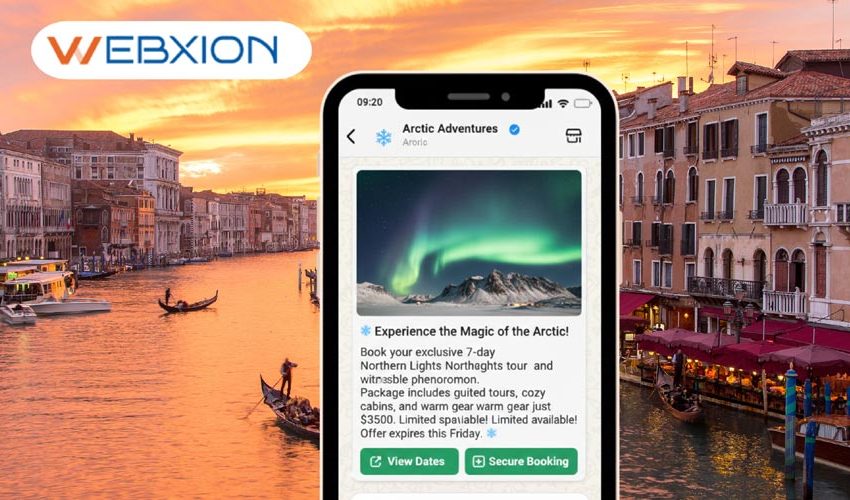
Summary – The WhatsApp Business Platform, officially provided by Meta, uses a conversation-based pricing model. Businesses are charged per 24-hour conversation window, not per message. Pricing depends on the conversation category (Service, Marketing, Utility, Authentication) and the user’s country, with India being one of the most affordable regions globally. As an official Meta WhatsApp solution, the platform supports automation, CRM integrations, chatbots, and multi-agent access, making it suitable for scalable, compliant, and high-ROI customer communication.
WhatsApp is no longer just a messaging app. It has become the primary communication channel officially backed by Meta for businesses that want direct, real-time access to customers. In markets like India, WhatsApp is where customers expect order updates, appointment confirmations, admissions follow-ups, and even customer support—often more than email or SMS.
This shift is not accidental. It is the result of Meta officially positioning WhatsApp as a business communication platform, not just a consumer chat app. With the launch and continuous evolution of the official WhatsApp Business Platform, Meta has made it clear that WhatsApp is meant to support enterprise-grade messaging at scale.
This guide answers those questions clearly and practically.
Drawing from real implementation experience across industries like e-commerce, education, healthcare, fintech, and service businesses, this article explains:
- How WhatsApp Business Platform pricing actually works
- What features matter in real-world usage (not just on paper)
- Where businesses see ROI—and where they waste money
- How Indian businesses can use WhatsApp strategically without overspending
Whether you’re evaluating WhatsApp for customer support, lead generation, admissions follow-ups, or transactional messaging, this breakdown is designed to help you make an informed, cost-efficient decision.
What Is the WhatsApp Business Platform (Meta Official)?
The WhatsApp Business Platform—commonly referred to as the official WhatsApp API by Meta—is the enterprise messaging infrastructure created and maintained by Meta for businesses that need reliability, compliance, and scale.
Unlike the free WhatsApp Business App, which is intended for very small businesses and runs on a single phone, the platform is built for scale. It runs on secure cloud servers and connects directly to your internal systems.
With the platform, businesses can automate responses, integrate WhatsApp with CRMs and ERPs, allow multiple agents to handle conversations from a single number, and track conversations as part of their overall customer journey.
Unlike the free WhatsApp Business App:
- It does not run on a mobile phone
- It is hosted on secure cloud infrastructure
- It requires onboarding through a Meta-approved solution provider
- It supports automation, chatbots, and system integrations
In real-world use, the Meta official WhatsApp platform is used by:
- E-commerce brands sending order updates and support replies
- Colleges and universities managing admissions inquiries
- Healthcare providers delivering appointment reminders
- Fintech companies sending OTPs and alerts
- Service businesses converting inbound leads
How WhatsApp Business Platform Pricing Works?
What does conversation-based pricing mean?
WhatsApp Business Platform pricing is based on conversations, not messages.
A conversation is defined as a 24-hour window during which a business and a user can exchange unlimited messages under a specific category. Once a conversation starts, all messages exchanged within that 24-hour window are covered under a single charge.
This model encourages meaningful, real-time interactions instead of fragmented, per-message billing.
Pricing is influenced by three main factors:
- The category of the conversation
- The country where the user is located
- Whether the user or the business initiated the conversation
Understanding these factors is critical to controlling costs.
Types of WhatsApp Conversations & Their Costs
What Is a Service Conversation?
Service conversations are user-initiated. They begin when a customer messages your business first, typically to ask a question or request support.
These conversations are the lowest-cost category and are ideal for customer support, pre-sales queries, and general assistance.
Example from India:
A customer messages an online store asking about delivery status at 3:00 PM. All replies from the business until 3:00 PM the next day fall under the same service conversation, regardless of how many messages are exchanged.
For support-heavy businesses, service conversations usually form the backbone of WhatsApp usage.
What Is a Marketing Conversation?
Marketing conversations are business-initiated promotional messages. These are used for offers, discounts, product launches, re-engagement campaigns, or announcements.
They require explicit user opt-in and are the highest-cost conversation type.
From real-world usage, this is where many businesses make mistakes. Sending broad promotional messages without segmentation or timing strategy increases costs without improving conversions. Well-targeted marketing conversations, however, can outperform email and SMS significantly.
What Is a Utility Conversation?
Utility conversations are transactional and informational. These include:
- Order confirmations
- Delivery updates
- Payment receipts
- Appointment reminders
They are lower-cost than marketing conversations and are essential for delivering a smooth post-purchase or post-booking experience. For many businesses, utility conversations generate the highest customer satisfaction with minimal cost impact.
What Is an Authentication Conversation?
Authentication conversations are used for security-related communication such as OTPs, login verification, and account recovery messages.
They are commonly used by fintech platforms, edtech portals, SaaS products, and mobile applications. These conversations are time-sensitive and designed purely for verification, not engagement.
WhatsApp Business Platform Pricing in India?
India is one of the most cost-effective regions for WhatsApp Business Platform usage.
This is due to extremely high WhatsApp penetration, strong engagement behavior, and regional pricing structures designed for scale. In India, WhatsApp is often treated as a primary communication channel rather than a secondary one.
From a behavioral perspective, Indian users are comfortable completing actions on WhatsApp—replying to admission counselors, confirming appointments, sharing documents, and even making purchase decisions.
Because of this behavior, WhatsApp in India often delivers lower cost per conversion compared to SMS and email, even when the per-conversation charge is higher than SMS on paper.
Key Features of WhatsApp Business Platform
Official WhatsApp API Access
The platform provides direct access to Meta-approved infrastructure. This ensures high deliverability, better message reliability, and compliance with WhatsApp’s policies. Businesses using official access avoid the risks associated with unofficial or grey-market tools.
Message Templates & Approval Process
Templates are pre-approved message formats required to initiate business-led conversations. Each template is reviewed for clarity, relevance, and policy compliance.
In practice, templates that are specific, user-focused, and transparent about intent perform better and face fewer approval delays.
Automation & Chatbots
Automation allows businesses to respond instantly, even outside working hours. Chatbots can handle FAQs, qualify leads, route conversations, and collect information before handing over to human agents.
A common best practice is to automate the first layer of interaction and involve human agents when intent or complexity increases.
Multi-Agent Inbox & Team Collaboration
Multiple team members can manage conversations from a single WhatsApp number. This is essential for growing businesses, support desks, and admissions teams that cannot rely on a single device or user.
Role-based access also improves accountability and response quality.
CRM & Tool Integrations
The WhatsApp Business Platform integrates with CRMs, ticketing systems, payment gateways, and marketing automation tools. This allows conversations to be tracked alongside leads, customers, and transactions instead of remaining isolated chats.
Rich Media & Interactive Messaging
Support for images, PDFs, videos, buttons, and quick replies allows businesses to communicate clearly and reduce unnecessary back-and-forth. These features directly impact response rates and resolution times.
Benefits of WhatsApp Business Platform
Businesses consistently report higher open rates, faster response times, improved lead qualification, reduced support workload through automation, and stronger customer trust. End-to-end encryption also ensures secure communication, which is especially important in regulated industries.
WhatsApp Business Platform vs WhatsApp Business App?
Feature | Business App | Business Platform |
Automation | No | Yes |
Multiple users | No | Yes |
CRM integration | No | Yes |
Official API | No | Yes |
Scalability | Limited | Enterprise-grade |
Who Should Use WhatsApp Business Platform?
The platform is ideal for businesses that manage daily inbound or outbound conversations at scale, including e-commerce brands, colleges, healthcare providers, financial services, real estate firms, and service-based companies.
Is WhatsApp Business Platform Worth the Cost?
When evaluated correctly, WhatsApp often delivers higher engagement and better conversion rates than traditional channels. The platform becomes cost-effective when businesses use the right conversation categories, automation, and segmentation strategies.
Common Pricing Mistakes Businesses Make
Common mistakes include misclassifying promotional messages, sending marketing broadcasts without proper opt-ins, delayed responses that trigger new chargeable windows, and treating WhatsApp like bulk SMS instead of a conversational channel.
How to Reduce WhatsApp Business Platform Costs?
Cost control comes from operational discipline. Respond within the same 24-hour window, prioritize utility messages where applicable, segment audiences before promotions, and automate repetitive conversations.
How to Get Started with WhatsApp Business Platform?
Getting started involves business verification, choosing an official solution provider, setting up numbers and templates, and integrating WhatsApp into your existing systems. With documentation ready, most businesses can go live within a few working days.
Turn WhatsApp Into a Scalable Growth Channel with WebXion
If your goal is predictable costs, higher engagement, and long-term reliability, partnering with WebXion to deploy the WhatsApp API Official is the safest and most effective path. Instead of risking numbers and deliverability with unofficial tools or fragmented setups, WebXion implements WhatsApp exactly as Meta intends—fully compliant, scalable, and outcome-driven. From conversation-based cost planning and approved template strategy to automation design, every step protects your number, brand reputation, and ROI.
Whether you want to reduce support load, improve lead conversion, streamline admissions follow-ups, or scale transactional messaging, WebXion delivers with the WhatsApp API Provider, RCS Service Provider, Promotional Voice Calls Service, Bulk Voice Calling Service, Transactional Voice Calls, AI Voice Bot Services, OTP SMS Service, SMPP Server Service, Bulk SMS Reseller Services, Toll-free number provider, Transactional SMS Service, Voice OTP Delivery Services, DLT Registration, SMS Notification Service, Outbound Voice Calls services, Missed Call Services,and AI Chatbot Software – all aligned to real operational goals, not just setup checklists.
👉 Connect with WebXion to evaluate your use case, estimate real WhatsApp costs, and deploy the WhatsApp API Official as a reliable growth channel—not a risky experiment.
Regions We Serve In India
Whatsapp business API provider in Agra | Whatsapp business API provider in Ahmedabad | Whatsapp business API provider in Ajmer | Whatsapp business API provider in Aligarh | Whatsapp business API provider in Allahabad | Whatsapp business API provider in Amravati | Whatsapp business API provider in Amritsar | Whatsapp business API provider in Asansol | Whatsapp business API provider in Bangalore | Whatsapp business API provider in Baroda | Whatsapp business API provider in Bareilly | Whatsapp business API provider in Belgaum | Whatsapp business API provider in Bhavnagar | Whatsapp business API provider in Bhiwandi | Whatsapp business API provider in Bhopal | Whatsapp business API provider in Bhubaneswar | Whatsapp business API provider in Bikaner | Whatsapp business API provider in Chandigarh | Whatsapp business API provider in Chennai | Whatsapp business API provider in Coimbatore | Whatsapp business API provider in Cuttack | Whatsapp business API provider in Dehradun | Whatsapp business API provider in Delhi | Whatsapp business API provider in Faridabad | Whatsapp business API provider in Ghaziabad | Whatsapp business API provider in Gorakhpur | Whatsapp business API provider in Gurugram | Whatsapp business API provider in Guwahati | Whatsapp business API provider in Gwalior | Whatsapp business API provider in Hyderabad | Whatsapp business API provider in Indore | Whatsapp business API provider in Jabalpur | Whatsapp business API provider in Jaipur | Whatsapp business API provider in Jalandhar | Whatsapp business API provider in Jalgaon | Whatsapp business API provider in Jammu | Whatsapp business API provider in Jamshedpur | Whatsapp business API provider in Jhansi | Whatsapp business API provider in Jodhpur | Whatsapp business API provider in Kanpur | Whatsapp business API provider in Kochi | Whatsapp business API provider in Kolhapur | Whatsapp business API provider in Kolkata | Whatsapp business API provider in Kota | Whatsapp business API provider in Lucknow | Whatsapp business API provider in Ludhiana | Whatsapp business API provider in Mangalore | Whatsapp business API provider in Meerut | Whatsapp business API provider in Mumbai | Whatsapp business API provider in Mysore | Whatsapp business API provider in Nagpur | Whatsapp business API provider in Nanded | Whatsapp business API provider in Nashik | Whatsapp business API provider in Navi Mumbai | Whatsapp business API provider in Noida | Whatsapp business API provider in Patna | Whatsapp business API provider in Pimpri | Whatsapp business API provider in Chinchwad | Whatsapp business API provider in Pune | Whatsapp business API provider in Raipur | Whatsapp business API provider in Rajkot | Whatsapp business API provider in Ranchi | Whatsapp business API provider in Solapur | Whatsapp business API provider in Srinagar | Whatsapp business API provider in Surat | Whatsapp business API provider in Sambhaji Nagar | Whatsapp business API provider in Thane | Whatsapp business API provider in Thiruvananthapuram | Whatsapp business API provider in Udaipur | Whatsapp business API provider in Ujjain | Whatsapp business API provider in Vadodara | Whatsapp business API provider in Varanasi | Whatsapp business API provider in Visakhapatnam